Type of meeting rooms

Definition
A meeting is a gathering of two or more people that has been convened for the purpose of achieving a common goal through verbal interaction, such as sharing information or reaching agreement. Meetings may occur face-to-face or virtually, as mediated by communications technology, such as a telephone conference call, a skipped conference call  or a video conference.


One Merriam-Webster dictionary defines a meeting as "an act or process of coming together" - for example "as an assembly for a common purpose Meeting,planners  a
nd other meeting professionals may use the term "meeting" to denote an event booked at a hotel,convention center or any other venue dedicated to such gatherings.


Meeting
This article is about meetings in general. For meetings in organizations that use parliamentary procedure, see Meting. For multi-event athletic competitions, see track and field & meetings.


A meeting is when two or more people come together to discuss one or more topics, often in a formal or business setting, but meetings also occur in a variety of other environments.


Meeting room 
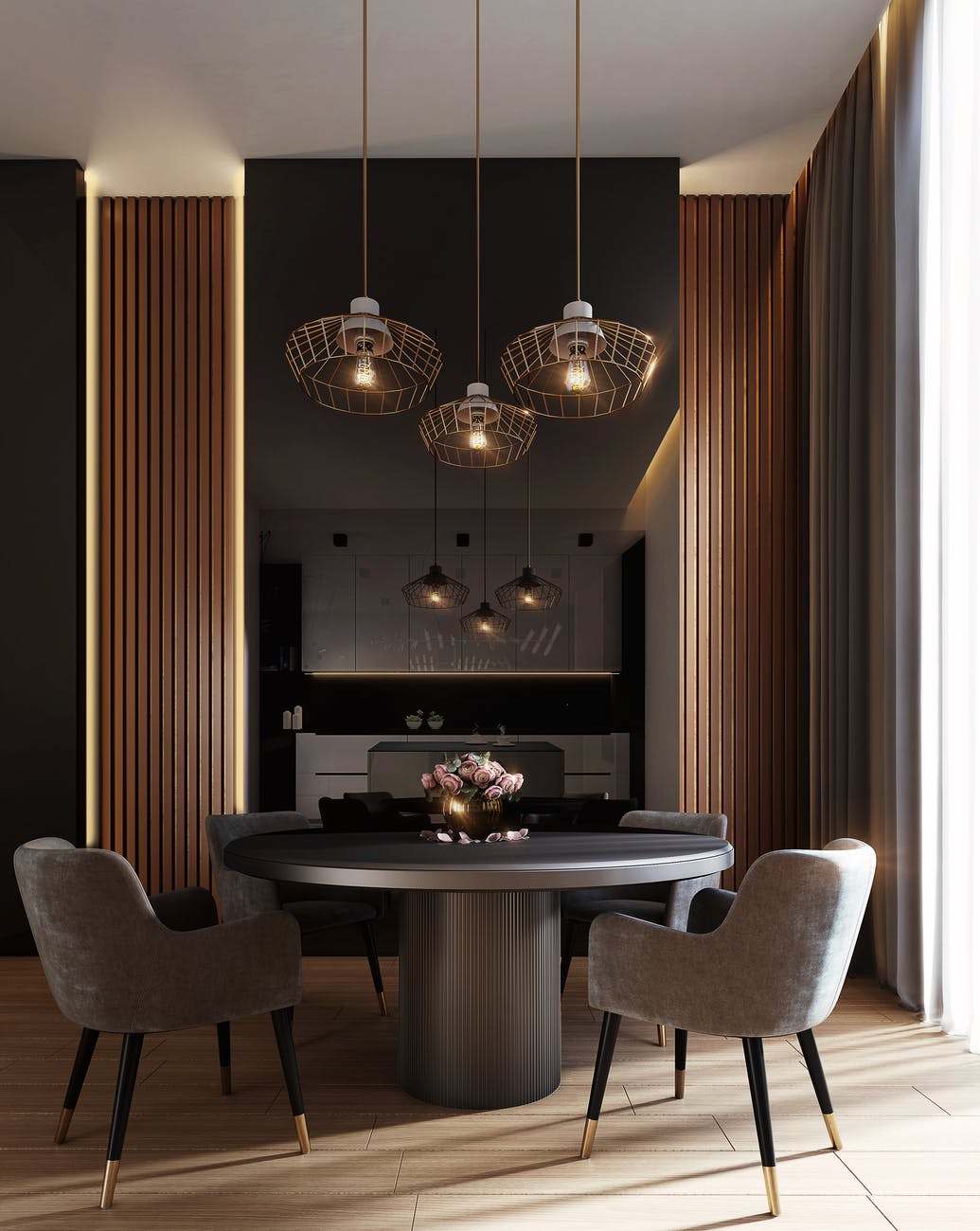
A conference hall, conference room, or meeting room is a room provided for singular events such as business conference and meetings. It is commonly found at large hotels and convention centers though many other establishments, including even hospitals, have one. 


Sometimes other rooms are modified for large conferences such as arenas or concert halls.Aircraft have been fitted out with conference rooms. Conference rooms can be windowless for security purposes.typically, the facility provides furniture, over head, projectors, over head projectors, stage lights,  and a sound system.

Sometimes the term 'conference hall' is used synonymous with 'conference center' as, for example, in 'bandaranaik  memorial international conference hall'.Some meeting rooms come equipped with booking management software, depending on the needs of the company that owns them.Typically a medium to large office or post-secondary educational facility has smaller meeting rooms often called a conference room or a huddle room.


Types of meetings
The term "meeting" may refer to a lecture (one presentation), seminar (typically several presentations, small audience, one day), conference (mid-size, one or more days), congress (large, several days),exhibition or trade show (with manned stands being visited by passers-by),workshop (smaller, with active participants), training course, team building session and kick off event.


Common types of meeting include:
·         Committee meeting, a coming-together of a defined subset of an organization.
·         Investigative meeting, generally when conducting a pre-interview, exit interview or a meeting among the investigator and representative Committee meeting.


·        kickoff meeting, the first meeting with a project team and the client of the project to discuss the role of each team-member. 

·        Work meeting, which produces a product or intangible result such as a decision compare working group.


·         board meeting, a meeting of the board of directer of an organization.


·         Management meeting, a meeting among managers.


·         Staff meeting, typically a meeting between a manager and those that report to that manager.


·         Team meeting in project contexts - a meeting among colleagues working on various aspects of a team project.Team meeting.


Other varieties include breakfast meetings off-site meetings, and "stand-up meetings" where participants stand up to encourage brevity.


Since a meeting can be held once or often, the meeting organizer has to determine the repetition and frequency of occurrence of the meeting: one-time, recurring meeting, or a series meeting such as a monthly "lunch and learn" event at a company, church, club or organization in which the placeholder is the same, but the agenda and topics to be covered vary. Citation needed In Russian, a "flying meeting"  is a hastily-called brief meeting.

Possible
Depending on the purpose of the meeting, conference rooms may be set up in various styles. Sometimes the furniture may even be moved easily before a meeting to accommodate the particular needs of each meeting. Commonly used styles include:
·         Auditorium Style


·         Banquet Style


·         Hollow Square Style


·         Classroom (each attendee have their own small desk space).


·         Cinema (Like Classroom but without a desk)


·         U-Shape Style

·         Conference Style


Infant bed


Infant bed
Infant beds are a historically recent development intended to contain a child capable of standing. The cage-like design of infant beds restricts the child to the bed. Between one and two years of age, children are able to climb out and are moved to a toddler bed to prevent an injurious fall while escaping the bed.
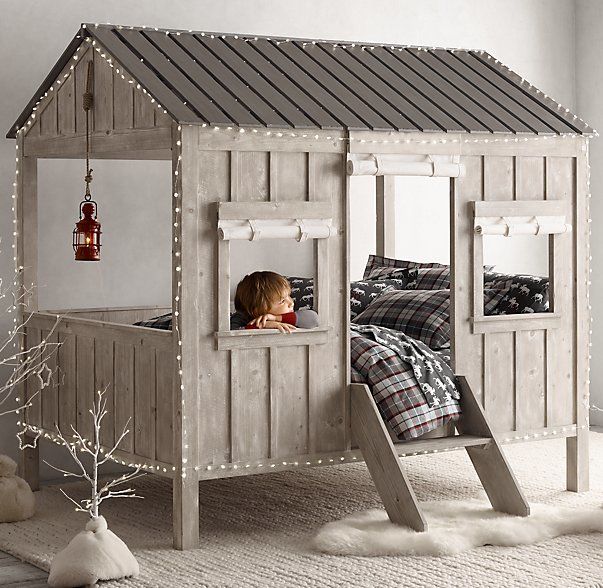

An infant bed is a small bed especially for infants and very young children. Infant beds are a historically recent development intended to contain a child capable of standing. The cage-like design of infant beds restricts the child to the bed. 


Between one and two years of age, children are able to climb out and are moved to a toddler bed to prevent an injurious fall while escaping the bed.


Baby furniture
Baby furniture refers to furniture created for babies. It is often used to help the parents of the baby keep it safe and comfortable in the home. Before baby furniture, parents would sleep with their children in their own beds, which could be dangerous for the child.


Eventually, infant beds  started to be built with the child's safety in mind; the intention was to keep the baby from rolling off the bed, so mangers and bassinets were created. Over time, more furniture was created with the infant's safety in mind, and there are several types and functionalities of these.


Typical pieces include an infant bed changing table, high chair, play pen, and toy chest. Products, features, and costs vary between countries and have changed over time. Safety is of paramount importance.


Bassinet
A bassinet, bassinet, or cradle is a bed specifically for babies from birth to about four months. Bassinets are generally designed to work with fixed legs or casters, while cradles are generally designed to provide a rocking or gliding motion.


 Bassinets and cradles are distinguished from Moses baskets and carry cots, which are designed to be carried and sit directly on the floor or furniture. After four months, babies are often transferred to a sleeper crib.


Bedside sleeper
A bedside sleeper, also referred to as a sidecar sleeper or bedside bassinet, is a bassinet or baby cot that attaches to the parents'  bed, allowing  newborns to sleep next to their parents safely. This is a form of safe co-sleeping, and has little risks associated with sudden infant death syndrome, unlike bed sharing.


Bedside sleepers are a component of rooming-in, a practice followed in hospitals to keep the baby by the mother's bed, giving her time to establish a stronger bond with her baby.A bedside sleeper is defined by the United States government as "a rigid frame assembly secured to an adult bed that is intended to provide a sleeping environment for infants. 


Usually, one wall of the bedside sleeper is lower than the others, which allows the parent to easily reach for the child at night. Most bedside sleepers are multi-mode, meaning that they can be converted into bassinets.


Cradle (bed)
A cradle is an infant bed which rocks but is non-mobile. It is distinct from a typical  bassinet which is a basket-like container on free-standing legs with wheels.


 A carbonized cradle was found in the remains of Herculaneum left from the destruction of the city by the eruption of Mount Vesuvius

Handmade baby room decoration


Interior design
interior design is the art and science of enhancing the interior of a building to achieve a healthier and more aesthetically pleasing environment for the people using the space. An interior designer is someone who plans, researches, coordinates, and manages such projects. 


Interior design is a multifaceted profession that includes conceptual development, space planning, site inspections, programming, research, communicating with the stakeholders of a project, construction management, and execution of the design.


Nursery (room)

A nursery is usually, in American connotations, a bedroom within a house or other dwelling set aside for an infant or toddler. A typical nursery would contain a crib (or similar type of bed), a table or platform for the purpose of changing diapers as well as various items required for the care of the child.


 A nursery is generally designated for the smallest bedroom in the house, as a baby requires very little space until at least walking age; the premise being that the room is used almost exclusively for sleep. 


However, the room in many cases could remain the bedroom of the child well into his or her teenage years, or until a younger sibling is born, and the parents decide to move the older child into another larger bedroom, if one should be available.


In Victorian and Edwardian times, for the wealthy and mid-tier classes, a nursery was a suite of rooms at the top of a house, including the night nursery, where the children slept, and a day nursery, where they ate and played, or a combination thereof. 


The nurse (nanny) and nursemaid (assistant) slept in the suite too, to be within earshot of the sleeping children. The school room might also be adjacent, but the  governess, whose job it was to teach the children, would not be part of the nursery; she would have her own bedroom, possibly in another wing.


Home accessories

Home accessories are furniture items which are easy to replace and easy to move, and include almost any items that are not strictly functionally necessary in a decorated space.


 These accessories include such items as curtains, sofa sets, cushions, tablecloths and decorative craft products, decorative wrought iron, and so on. These items are commonly used in indoor furnishings and layout and can include cloth items, paintings, and plants.


The first thing that matters when it comes to sofas with back support is the type of the sofa. Namely, there are plenty of different types of sofas on the market, but, not all of them are for back support. Anyway, here are some of the best sofas for back support.


·         Recliner sofa


·         Chesterfield sofa


·         Massage sofa


These items can break the boundaries of the traditional decoration industry, using handicrafts, textiles, collectibles, and things such as lamps, floral items, and plants re-combined to form a new concept. Home accessories vary according to the size and shape of the room space, the owner's living habits, hobbies, tastes, and their economic situation.


Carpet

Carpet is a textiles floor covering typically consisting of an upper layer of pile attached to a backing. The pile was traditionally made from wool, but since the 20th century, synthetic fibers such as-nylon or polyester are often used, as these fibers are less expensive than wool. The pile usually consists of twisted tufts which are typically heat-treated to maintain their structure. 


The term carpet is often used interchangeably with the term rug, although rugs are typically considered to be smaller than a room and not attached to the floor.Carpets are used for a variety of purposes, including insulating a person's feet from a cold tile or concrete floor, making a room more comfortable as a place to sit on the floor reducing sound from walking and adding decoration or color to a room. 


Carpets can be made in any color by using differently dyed fibers. Carpets can have many different types of patterns and motifs used to decorate the surface. In the 2000s, carpets are used in industrial and commercial establishments such as retail stores and hotels and in private homes.


 In the 2010s, a huge range of carpets and rugs are available at many price and quality levels, ranging from inexpensive, synthetic carpets that are mass- produced in factories and used in commercial buildings to costly hand-knotted wool rugs which are used in private homes of wealthy families.


Decoration

Decoration may refer to:
·       Decorative art


·         A house printer and decorator's craft


·         An act or object intended to increase the beauty of a person, room, etc.


·         An award or decoration that is given to honor the recipient


Search This Blog

Blog Archive

Copyright to Paintingzonefloor.blogspot.com - All rights reserved